
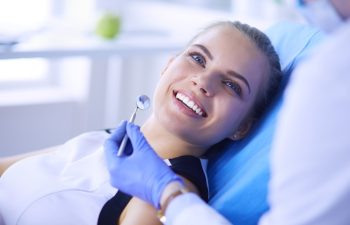
When most people think about visiting the dentist, cancer detection probably isn’t the first thing that comes to mind. But every time you sit in the dental chair for a routine checkup, your dentist is doing more than checking for cavities—they’re scanning for early signs of a disease that claims one American life every hour.
April is Oral Cancer Awareness Month, and at Alora Dentistry & Implant Center in Napa, it’s a reminder of just how critical regular dental visits are—not just for a healthy smile, but for survival. The Oral Cancer Foundation estimates that approximately 58,000 Americans will be diagnosed with oral or oropharyngeal cancer this year, and roughly half will not survive beyond five years. The reason? Most cases are caught too late.
That’s where your dental team steps in.
What Is Oral Cancer and Where Does It Develop?
Oral cancer refers to cancers that develop in the tissues of the mouth and throat. It can affect the tongue, floor of the mouth, gums, inner cheeks, the palate, lips, and the oropharynx (the back of the throat, including the base of the tongue and tonsils).
These cancers typically begin as squamous cell carcinomas in the thin, flat cells lining the mouth and throat. While this type of cancer can be aggressive, it responds remarkably well to treatment when identified early. The five-year survival rate for localized oral cancer detected before it spreads is approximately 85%. Once it metastasizes to distant sites, that number drops dramatically.
Early detection truly is the difference-maker—and that’s why routine oral cancer screenings at your dentist’s office matter.
Risk Factors That May Surprise You
Some oral cancer risk factors are well known, and others fly under the radar. Understanding what increases your risk helps you make informed decisions about screening frequency and lifestyle habits.
- Tobacco Use: Smoking cigarettes, cigars, or pipes and using smokeless tobacco products remain the leading risk factors for oral cancer. Tobacco users are six times more likely to develop oral cancers than non-users.
- Alcohol Consumption: Heavy alcohol use significantly increases oral cancer risk, and when combined with tobacco use, the risk multiplies rather than simply adds. For residents of California’s wine country, this is worth acknowledging honestly—moderate and mindful consumption matters.
- HPV Infection: Human papillomavirus, particularly HPV-16, has become the fastest-growing risk factor for oropharyngeal cancers. HPV-related oral cancers are increasingly diagnosed in younger, non-smoking adults, making screening essential for all age groups.
- Sun Exposure: Prolonged UV exposure increases the risk of lip cancer. Outdoor enthusiasts in Napa Valley should use SPF lip balm as consistently as they apply sunscreen.
- Age and Gender: Risk increases significantly after age 40. Men are historically diagnosed at roughly twice the rate of women, though that gap is narrowing as HPV-related cases rise.
- Poor Nutrition: Diets low in fruits and vegetables have been associated with an increased risk of oral cavity cancers.
One of the most concerning realities is that approximately 25% of cases occur in people with no traditional risk factors. This is why routine screening matters for every patient.
Warning Signs You Shouldn’t Ignore
Oral cancer often develops quietly. Many early symptoms resemble common, harmless conditions—a canker sore that won’t heal, a rough patch on the gum tissue, a persistent sore throat. Knowing what to watch for between dental visits can help you seek evaluation sooner.
- Persistent Sores: Any sore in the mouth or on the lip that doesn’t heal within two to three weeks deserves professional evaluation.
- Red or White Patches: Unexplained red patches (erythroplakia) or white patches (leukoplakia) on the gums, tongue, tonsils, or lining of the mouth can be precancerous.
- Lumps or Thickening: A lump, thickened area, or rough spot inside the mouth or throat that you can feel with your tongue or finger.
- Difficulty Swallowing or Chewing: Ongoing trouble swallowing, chewing, or moving the jaw or tongue.
- Numbness: Unexplained numbness or loss of feeling in any area of the mouth, face, or neck.
- Chronic Hoarseness: A voice change or persistent hoarseness lasting more than two weeks.
- Ear Pain: Pain in one ear without hearing loss can sometimes indicate an oral or oropharyngeal issue.
- Unexplained Weight Loss: Significant weight loss without a change in diet or exercise.
If any of these symptoms persist beyond two weeks, don’t wait for your next scheduled dental visit. Contact your dental team for an evaluation.
What Happens During an Oral Cancer Screening
Many patients are surprised to learn they’ve been receiving oral cancer screenings as part of their routine checkups—it’s that seamlessly integrated into the exam. At Alora Dentistry & Implant Center, oral cancer screening is standard in the comprehensive care provided by Dr. Devan Dalla and Dr. Navpreet Bedi.
During a screening, your dentist systematically examines the soft tissues inside your mouth—tongue, floor of the mouth, palate, cheeks, gums, lips, and throat. They’re looking for abnormalities in color, texture, or shape and feeling the tissues for lumps or irregularities that may not be visible to the eye. Your neck and jaw area are also checked for swollen lymph nodes or unusual masses.
The entire screening takes just a few minutes and is completely painless. If anything concerning is found, your dentist can recommend further evaluation, which may include a biopsy or referral to a specialist. Because Dr. Bedi’s background includes specialized training in oral and maxillofacial surgery, patients at Alora Dentistry benefit from a level of diagnostic expertise that goes beyond what a general screening alone can provide.
Why Your Dentist Sees What You Can’t
There’s a reason dentists catch oral abnormalities that patients miss. Many early-stage oral cancers develop in areas that are difficult to see on your own—the back of the tongue, the floor of the mouth, and the soft palate. These are areas your dentist examines during every visit with proper lighting and clinical training.
Dentists are also trained to distinguish between benign conditions and those that warrant further investigation. Not every white patch is cancerous, and not every slow-healing sore is cause for alarm. But your dental team knows your mouth’s baseline, which makes it far easier to identify changes that might indicate a developing problem.
This is one of the strongest arguments for maintaining regular dental checkups—even when your teeth feel perfectly fine. The checkup isn’t just about teeth. It’s about your complete oral health, and that includes cancer detection.
Reducing Your Risk Starting Today
While you can’t eliminate every risk factor, you can take meaningful steps to lower your chances.
Quitting tobacco in any form is the single most impactful step you can take. Moderating alcohol consumption further lowers your risk. Eating a diet rich in fruits and vegetables supports healthy oral tissues. Using lip balm with SPF protection guards against lip cancer. And keeping regular dental appointments ensures any changes in your oral health are caught and evaluated promptly.
For parents of adolescents, discussing HPV vaccination with your child’s physician is another proactive measure. The HPV vaccine is most effective when administered before exposure to the virus and can significantly reduce the risk of HPV-related cancers later in life.
Schedule Your Screening at Alora Dentistry & Implant Center
This Oral Cancer Awareness Month, consider when you last had a comprehensive oral exam. If it’s been more than six months, it’s time. Dr. Devan Dalla, Dr. Navpreet Bedi, and the team at Alora Dentistry & Implant Center in Napa provide thorough, compassionate care that goes well beyond your teeth.
Call (707) 226-5533 or book your appointment online today. At Alora Dentistry, your smile isn’t the only thing we’re protecting.
Medically reviewed by Devan Dalla, DDS on
Posted on behalf of
917 Trancas Street, Suite A
Napa, CA 94558
Phone: (707) 226-5533
Email: [email protected]